From time to time social institutions are in need upgrading, redevelopment, or even abandonment once their relevance is questionable. Political, economic, judicial, educational institutions all face this challenge to what they are. Failure in upgrading allows them to become more troubled, and then troubling. Troubles stem from political systems arriving at leaders who can’t lead, economic systems becoming entropic, governance being up for sale and education serving no societal purpose.
In some instances these institutional upgrading is not possible. They have lost their relevance to society. A major reason institutions are allowed to become irrelevant is that the major of humans favor changelessness. Even where a pathway has become clearly irrelevant, even dangerous, humans tend to prefer continuance to risking a change in direction. Humans often fear change and argue for stability, even arguing for permanence.
This is a serious problem. The pressures from the constancy are continuing to give support to forces of environmental degradation. This is leading modification of and the context of life. Global warming from continuing degradation of context, being known as climate change, is very threatening to life and living. Life is facing troubles that humans have never known, mostly brought on via humans actions. Societal institutions are heavily involved in this harmful process. They were generally set up to maintain and nurture life but via their actions and inaction’s they increasingly deny life.
Our systems of life and living are under stress. Institutions given responsibility for education and justice seem especially fragile while achieving the opposite of their expressed intentions. Thus, their legitimation is fragile. Most are ill equipped for conditions of rapid change. Their context is challenging and increasingly filled with artificial constructs that are beyond nature, and human nature. Artificial constructs have an impact on all of the above institutions. The challenges of this are depicted in various ways for various purposes by various groups, but all imply a bad ending for life.
Important to the content herein is that the challenges are seen as threats to civilization and were depicted as susceptible to traditional analytic thoughts and tools. Used successfully to frame industrialization successes they now seem to miss the point or even exacerbate the threats. Change in thinking, means and methods seems in order.The change may well need to be done with deep reflection on the human condition and carried out via quiet urgency.
The industrial approach to problem solving involves confrontation, even with some passion seen as anger, then circumscription, segmentation, isolation and reduction into parts. Reduction can be via time, space, size, and/or causal significance. In some respects this soon becomes unnatural or even anti-natural in the tradition of mechanism versus process. The threat becomes reduced to a problem that is frozen in space and time, and thus no longer evolves and separates from the context that defines it, gives live to it, and suggest to where it is going.
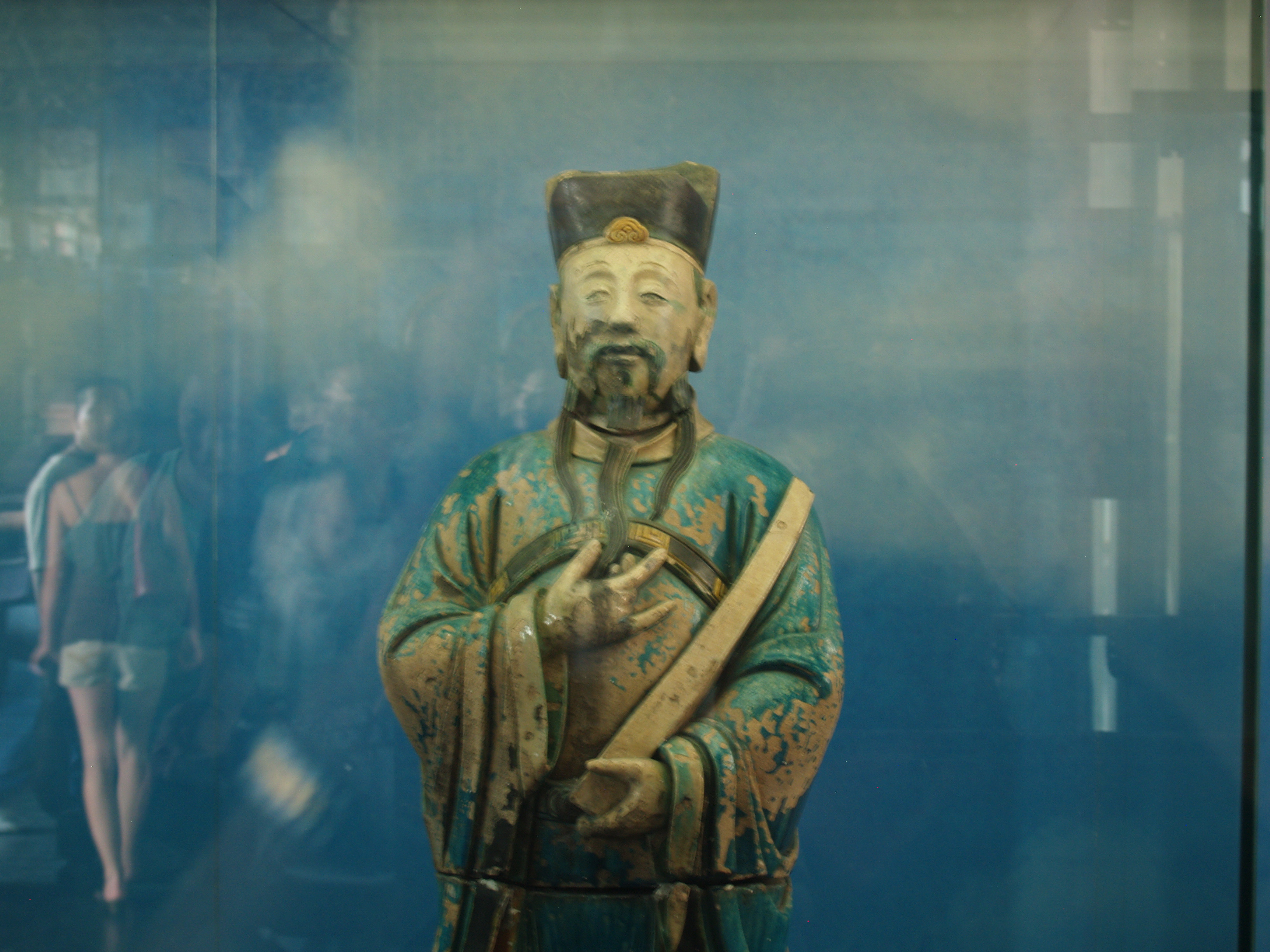
Wisdom: Where is it?
FRAMING THE UNNAMEABLE, PERHAPS UNKNOWABLE
We face frightful challenges arising from the cumulative unintended ends of intended results, all while disregarding the possible end states. We seem unable to recognize or accommodate the consequences of achieving seemingly harmless and worthy results. In fact the desired results are neither harmless nor worthy. Business ideas have not been up to avoiding such. Business management has not bee up to confronting the consequences.
Business as usual is becoming unusually wrong for our context. In business as unusual there may well be hope.
 NJITBS: Great potential but in need of innovation...not at the edge
Thanks for finally writing about >Change, via reflective urgency… | NJITBS, serious problems, great potentials <Liked it!
LikeLike
Maybe there is hope after all? thanks…..
LikeLike